
US-Iran War Tensions Escalate in 2026: 1300+ Civilian Deaths Reported as Middle East Crisis Deepens
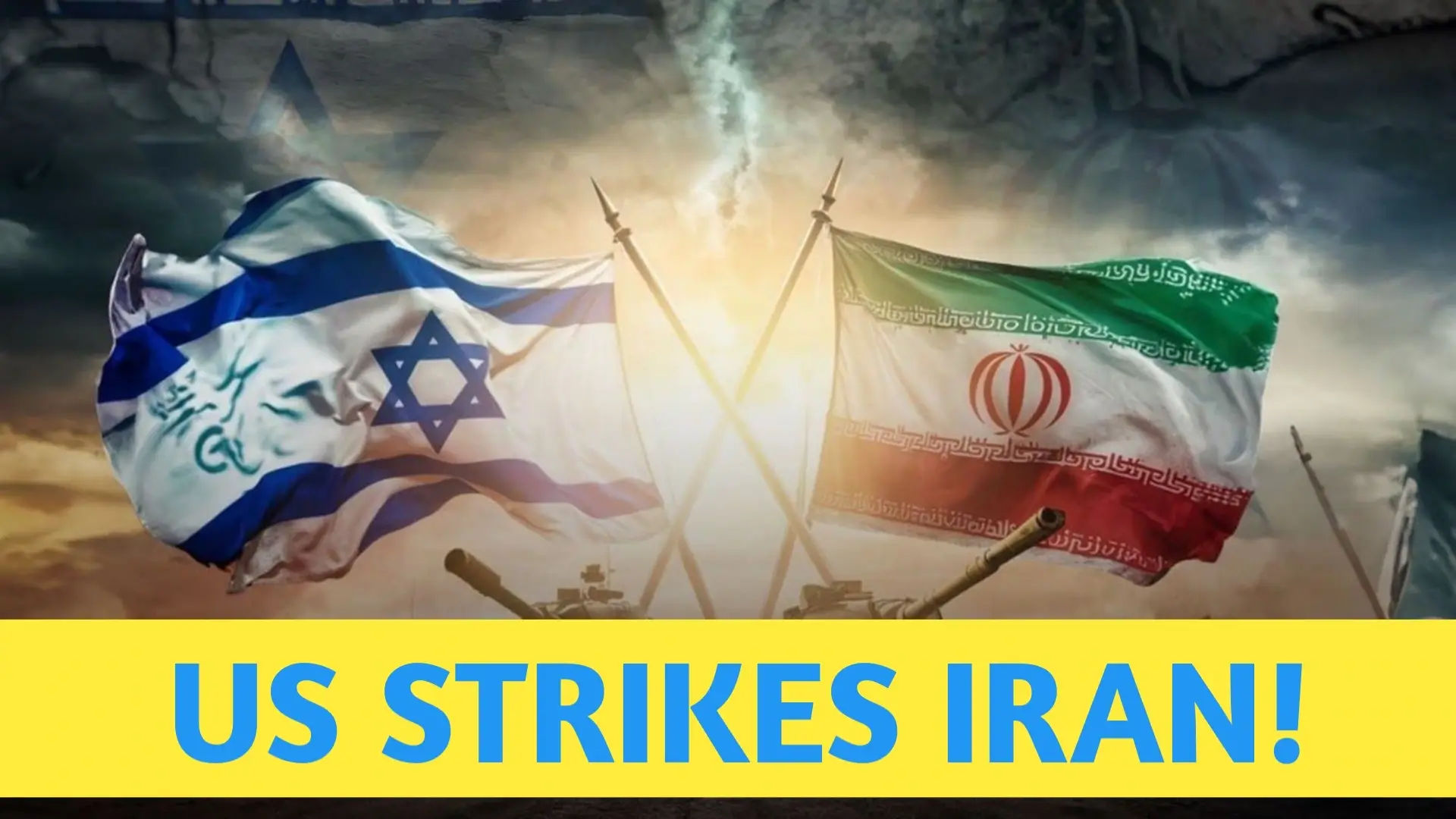
The geopolitical relationship between the United States and Iran has always been complex and tense. In 2026, tensions between the two countries have escalated once again, raising concerns about regional stability, global oil supply, and international security.
Recent reports suggest that the United States and its allies have launched military strikes targeting several strategic locations linked to Iranian-backed groups. These developments have intensified fears of a broader conflict across the Middle East.
According to early estimates from various international monitoring groups, more than 1,300 civilians may have lost their lives in the ongoing escalation. While details remain contested, the humanitarian and geopolitical consequences are already being felt across multiple regions.
This article explores the background, causes, military actions, global reactions, economic implications, and potential future scenarios of the rising US-Iran tensions.
1. Background of the US-Iran Conflict 🕊️
The roots of the US-Iran conflict go back several decades. Diplomatic relations between the two countries deteriorated significantly after the 1979 Iranian Revolution, when Iran shifted from a pro-Western monarchy to an Islamic republic.
Since then, tensions have revolved around several major issues:
-
Iran’s nuclear program
-
US sanctions on Iran
-
Regional influence in the Middle East
-
Proxy conflicts involving allied groups
-
Military presence in the Persian Gulf
Over the years, these tensions have periodically escalated into military confrontations, cyber warfare, and diplomatic standoffs.
2. Recent Military Escalation in 2026 🚀
The latest escalation began after intelligence reports suggested increased military activity by Iranian-supported groups across several Middle Eastern territories.
In response, US forces along with allied military units reportedly carried out targeted strikes against facilities believed to be connected with these groups.
Key developments reported so far:
-
Airstrikes conducted on strategic military infrastructure
-
Drone surveillance operations across the region
-
Increased deployment of naval forces in nearby waters
-
Defensive missile systems activated by regional allies
Although the US government describes these strikes as defensive operations, Iran has strongly criticized them, calling them acts of aggression.
3. Civilian Casualties and Humanitarian Concerns 💔
One of the most concerning aspects of the conflict is the rising number of civilian casualties.
Several humanitarian organizations have warned that continued military escalation could worsen the humanitarian situation in the region.
Estimated Impact
| Category | Estimated Numbers | Notes |
|---|---|---|
| 👥 Civilian Deaths | 1300+ | Preliminary reports from monitoring groups |
| 🏥 Injured Civilians | 3000+ | Hospitals under pressure |
| 🏠 Displaced Families | Thousands | Many leaving conflict zones |
These numbers are still evolving as information from affected areas continues to emerge.
Human rights groups are urging all parties involved to prioritize civilian safety and reduce military escalation.
4. Impact on Middle East Stability 🌍
The Middle East has historically been one of the most geopolitically sensitive regions in the world.
A direct or indirect conflict between the United States and Iran has the potential to destabilize multiple countries in the region.
Possible regional consequences include:
-
Increased tensions between rival alliances
-
Expansion of proxy conflicts
-
Military mobilization by neighboring states
-
Increased refugee movements
Countries across the Middle East are closely monitoring the situation, as any escalation could affect regional trade, security, and diplomacy.
5. Oil Supply and Global Energy Markets 🛢️
One of the biggest global concerns linked to the US-Iran conflict is its impact on oil supply and energy markets.
The Middle East plays a crucial role in global energy production, and disruptions in the region can quickly affect international oil prices.
Possible Effects on Energy Markets
| Factor | Impact |
|---|---|
| 🛢️ Oil Supply Routes | Risk of disruption |
| 📈 Global Oil Prices | Potential increase |
| 🚢 Shipping Costs | Could rise due to security risks |
| ⚡ Energy Markets | Increased volatility |
Many analysts believe that if tensions continue to rise, oil prices could experience significant fluctuations.
6. International Reactions 🌎
The global community has responded cautiously to the escalating tensions.
Several countries and international organizations have urged both the United States and Iran to pursue diplomatic solutions rather than military escalation.
Key international reactions include:
-
Calls for restraint from European leaders
-
Diplomatic discussions at international forums
-
Statements from humanitarian organizations
-
Increased monitoring by global security institutions
Global leaders are concerned that a prolonged conflict could lead to a larger regional war.
7. Military Strategy and Defense Measures ⚔️
Both the United States and Iran possess significant military capabilities.
While the US maintains one of the most advanced military forces in the world, Iran has developed asymmetric strategies including missile systems, naval units, and regional alliances.
Strategic Elements Involved
-
Missile defense systems
-
Drone technology
-
Naval patrol operations
-
Cyber defense capabilities
Military analysts say that modern conflicts often involve a combination of conventional warfare and cyber operations.
8. Global Security Concerns 🔐
The escalation between the United States and Iran could have implications far beyond the Middle East.
Security experts warn that rising tensions could affect:
-
International shipping routes
-
Global trade stability
-
Cybersecurity infrastructure
-
Diplomatic alliances
Governments worldwide are closely watching the developments to assess potential security risks.
9. Economic Consequences of the Conflict 💰
Conflict in key geopolitical regions often impacts the global economy.
Possible economic consequences include:
-
Rising energy costs
-
Increased inflation in some countries
-
Volatility in stock markets
-
Disruptions in international trade routes
Economic analysts believe that prolonged instability could create uncertainty for global financial markets.
10. Possible Future Scenarios 🔮
Experts believe several outcomes are possible depending on diplomatic developments and military actions.
Potential scenarios include:
-
Diplomatic negotiations leading to de-escalation
-
Continued limited military strikes
-
Expansion of proxy conflicts in the region
-
International mediation efforts
-
Economic sanctions or political pressure
-
Strengthening of regional military alliances
-
Temporary ceasefire agreements
-
Increased cyber conflict
-
Strategic military deterrence
-
Long-term geopolitical rivalry
The future of the conflict largely depends on diplomatic negotiations and strategic decisions made by both sides.
Frequently Asked Questions (FAQ)
1. Why are US-Iran tensions increasing in 2026?
The recent tensions are linked to military strikes, regional security concerns, and long-standing geopolitical disputes between the two countries.
2. How many civilians have reportedly died in the conflict?
Preliminary reports suggest that more than 1,300 civilians may have died, though exact numbers are still being verified.
3. Could this conflict affect global oil prices?
Yes. Since the Middle East is a major energy-producing region, any conflict there can influence global oil supply and prices.
4. Is there a risk of a larger regional war?
While tensions are high, many international leaders are pushing for diplomatic solutions to avoid a broader conflict.
5. How is the international community responding?
Several countries and organizations are urging restraint and encouraging diplomatic negotiations.