
US-Iran War Tensions Increase in 2026: Global Security Risks, Oil Price Impact, and Middle East Crisis Explained
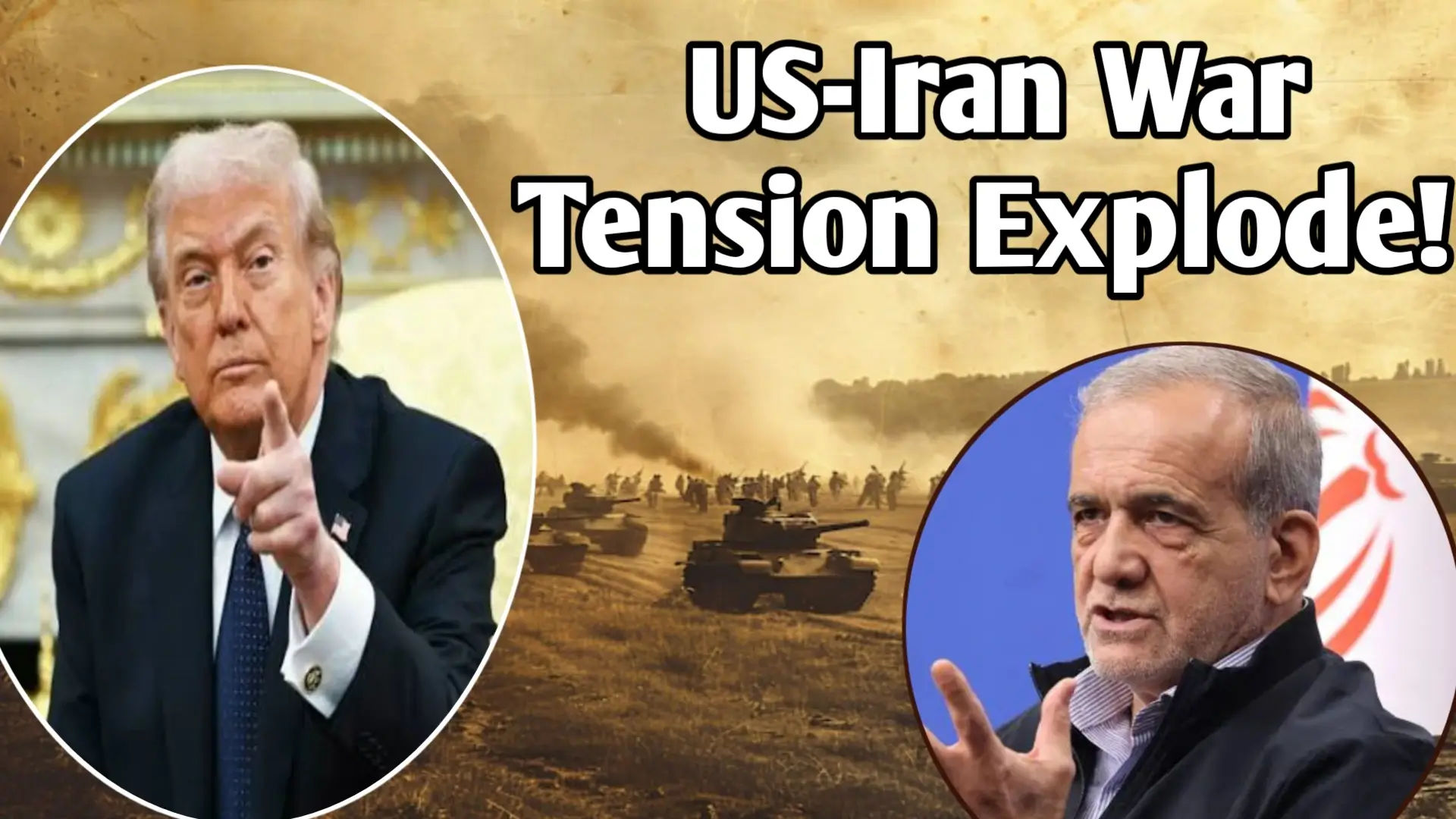
Geopolitical tensions between the United States and Iran have once again captured global attention. Over the years, the relationship between the two nations has been defined by mistrust, sanctions, military standoffs, and regional power struggles. Recently, analysts and policymakers have expressed concern about a renewed rise in tensions that could potentially reshape security dynamics in the Middle East.
Although no full-scale war has officially begun, military activities, strategic warnings, and political statements from both sides have intensified fears of a possible confrontation. Governments across the world are watching the situation closely because any escalation between these two nations could affect global security, oil markets, and international diplomacy.
The United States maintains a strong military presence in the Middle East through alliances and bases, while Iran has expanded its regional influence through political alliances and strategic partnerships. When tensions increase between these two powers, the ripple effects often reach far beyond the region.
In this article, we examine the causes, developments, possible consequences, and future scenarios of rising US-Iran tensions, exploring how the situation could influence the world.
1️⃣ Historical Background of US-Iran Relations 📜
The modern conflict between the United States and Iran can be traced back to the late twentieth century. Prior to 1979, Iran was ruled by a monarchy that maintained close ties with Western countries. However, the political transformation that occurred during the Iranian Revolution dramatically altered those relations.
After the revolution, Iran adopted a new political system and foreign policy approach that challenged Western influence in the region. Diplomatic relations between the United States and Iran deteriorated rapidly, and tensions have persisted ever since.
Over the decades, several events contributed to the ongoing rivalry:
-
Economic sanctions
-
Disputes over nuclear technology
-
Military incidents in the Persian Gulf
-
Support for opposing regional allies
These factors created a complicated geopolitical rivalry that still shapes international politics today.
2️⃣ Strategic Importance of the Middle East 🌍
The Middle East remains one of the most strategically important regions in the world. It holds vast energy resources and serves as a critical hub for global trade routes.
Both the United States and Iran view the region as vital to their security interests. The United States has long maintained partnerships with several countries in the region, while Iran seeks to strengthen its influence through regional cooperation and political alliances.
Because of these competing interests, even small incidents can lead to wider geopolitical tensions.
3️⃣ Military Presence and Strategic Deterrence 🚀
One of the main factors contributing to tensions is the large military presence maintained by both sides in the region.
The United States operates several military bases and naval fleets designed to protect shipping routes and support allies. Iran, on the other hand, has developed advanced missile technology and defense systems to protect its sovereignty and project regional power.
Military analysts believe that both sides rely heavily on deterrence strategies to avoid direct confrontation while maintaining their strategic positions.
4️⃣ Nuclear Program Concerns ⚛️
Another major source of tension involves Iran’s nuclear program. Western governments have long expressed concern that nuclear technology could potentially be used for military purposes, while Iranian officials insist that their program is designed for peaceful energy production.
International negotiations over nuclear agreements have attempted to reduce tensions, but disagreements over inspections, sanctions, and compliance have complicated diplomatic efforts.
This issue remains one of the most sensitive aspects of the relationship.
5️⃣ Economic Sanctions and Their Impact 💰
Economic sanctions have played a significant role in the US-Iran relationship. Over the years, the United States and its allies have implemented various financial restrictions aimed at influencing Iran’s policies.
These sanctions have affected:
-
trade
-
banking systems
-
energy exports
-
international investments
While sanctions are intended to influence political decisions, they can also impact ordinary citizens by affecting economic stability and employment opportunities.
📊 Key Areas Affected by Sanctions
6️⃣ Regional Alliances and Rivalries 🌐
The Middle East includes many political alliances that shape the balance of power in the region. Several countries maintain strong partnerships with the United States, while others maintain diplomatic relations with Iran.
These alliances sometimes create indirect tensions where regional conflicts become linked to broader geopolitical competition.
Experts often refer to this as proxy competition, where rival powers support different partners in regional disputes.
7️⃣ Risk to Global Energy Markets ⛽
One of the biggest global concerns related to US-Iran tensions is the potential effect on energy markets.
The Persian Gulf is a major center for global oil production and transportation. Any disruption in the region could affect fuel prices worldwide.
Investors often react quickly to geopolitical news, which can cause oil prices to fluctuate even before any actual supply disruption occurs.
📊 Possible Economic Effects
8️⃣ Modern Warfare and Technology 🛰️
Military technology has evolved significantly in recent decades. If a conflict were to occur, it would likely involve advanced technologies such as:
-
unmanned aerial systems
-
cyber defense capabilities
-
satellite intelligence
-
missile defense systems
These technologies have changed the nature of modern warfare, allowing countries to conduct operations without traditional battlefield engagements.
9️⃣ Cybersecurity Concerns 💻
Cybersecurity is another important aspect of modern geopolitical rivalry. Governments now recognize that cyber attacks can disrupt critical infrastructure without traditional military engagement.
Cyber operations can target:
-
financial networks
-
power grids
-
transportation systems
-
communication platforms
Because of this, cybersecurity experts consider digital defense an essential component of national security.
🔟 Impact on Civilians and Regional Stability 🧑🤝🧑
Whenever geopolitical tensions rise, ordinary citizens often experience the greatest consequences.
Possible effects may include:
-
economic uncertainty
-
travel disruptions
-
rising fuel costs
-
concerns about regional stability
International organizations often call for peaceful dialogue to avoid humanitarian challenges.
1️⃣1️⃣ Diplomatic Efforts and Negotiations 🕊️
Despite tensions, diplomacy remains a crucial tool for resolving conflicts. Over the years, several international agreements have attempted to ease tensions and create frameworks for cooperation.
Diplomatic negotiations often involve:
-
international mediators
-
multilateral agreements
-
economic incentives
-
security assurances
Although negotiations can be complex and slow, they remain one of the most effective ways to prevent military conflict.
1️⃣2️⃣ Possible Future Scenarios 🔮
Experts believe several different outcomes are possible depending on political decisions made in the coming months.
Some analysts expect continued tension without direct war, while others believe renewed diplomacy could reduce the risk of escalation.
📊 Possible Future Outcomes
Frequently Asked Questions (FAQ) ❓
What caused the tensions between the US and Iran?
The tensions developed from historical political disagreements, regional power competition, and disputes related to nuclear technology and economic sanctions.
Why is the Middle East important in this conflict?
The region contains major energy resources and strategic trade routes, making it important for global economic stability.
Could rising tensions affect global oil prices?
Yes, geopolitical instability in the Middle East can influence energy markets and fuel prices worldwide.
Are diplomatic solutions possible?
Yes. Negotiations and international agreements have previously helped reduce tensions between countries.
What role do alliances play in this situation?
Regional alliances influence political dynamics and can either reduce or increase tensions depending on diplomatic developments.
Conclusion 🌎
The increasing tensions between the United States and Iran highlight the complex nature of modern geopolitics. Historical grievances, security concerns, economic pressures, and regional rivalries all contribute to the current situation.
While military capabilities and strategic competition remain significant factors, diplomatic engagement continues to offer a path toward stability.
The international community is closely monitoring developments, hoping that dialogue and cooperation will prevent further escalation and maintain peace in one of the world’s most important regions.