
US Triple-Threat Megastorm 2026: Snow, Tornado and Flood Alerts Impact 200 Million Americans
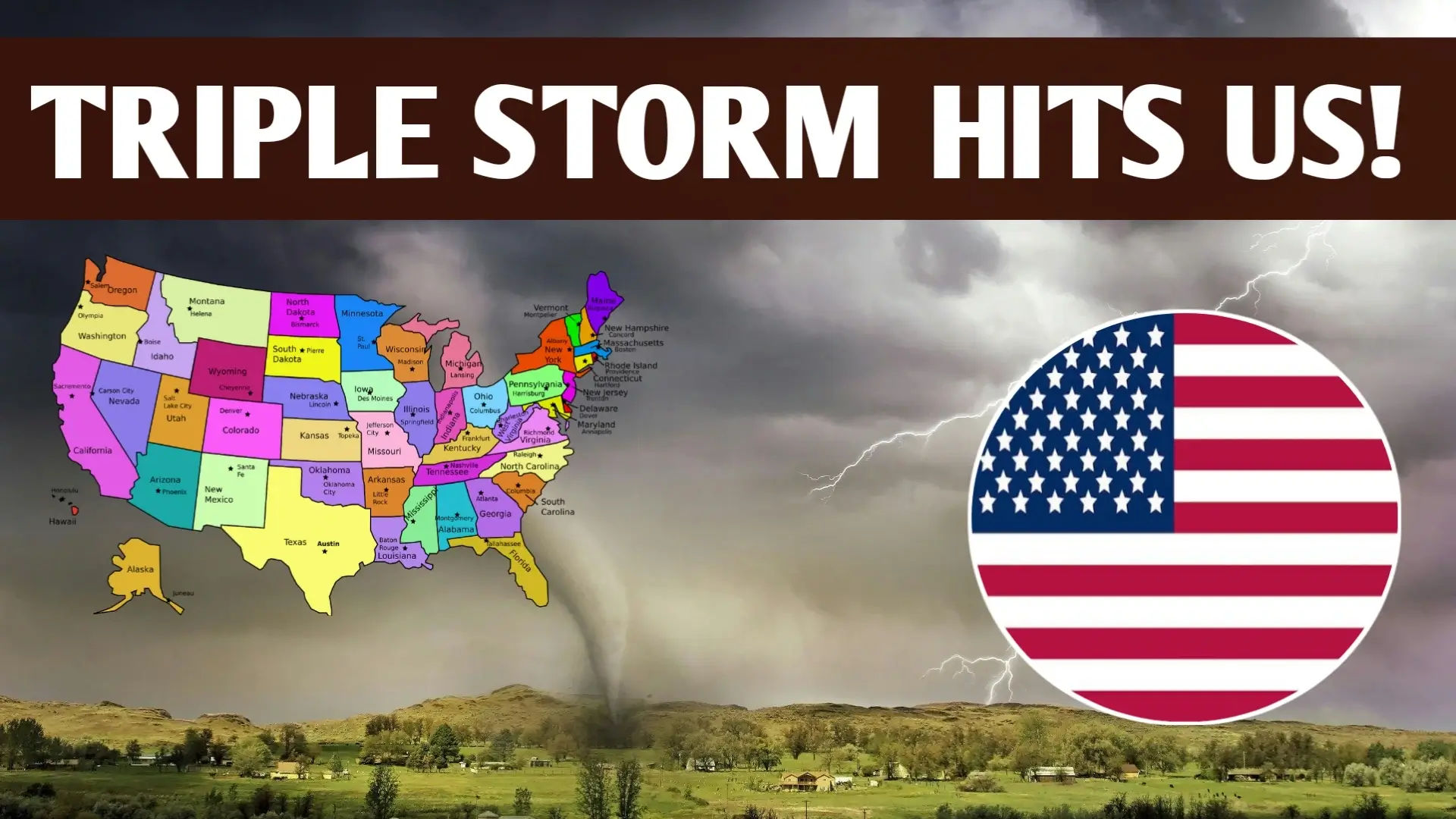
A powerful and unusual weather system is forming across the United States, bringing what meteorologists are calling a “Triple-Threat Megastorm.” This massive system combines heavy snow, severe thunderstorms, and tornado risks at the same time. 🌨️⛈️🌪️
Weather experts warn that nearly 200 million Americans could feel the impact of this powerful storm as it moves across multiple regions of the country. From blizzard-like conditions in the north to tornado alerts in the south, the storm represents one of the most complex weather events of the year.
Flights have already been delayed or canceled in several major airports, power outages are spreading in some states, and emergency services are preparing for possible flooding and infrastructure disruptions.
This article explores how the megastorm formed, which areas are most at risk, what the impacts could be, and how people can stay safe.
🌎 What Is a Triple-Threat Megastorm?
A Triple-Threat Megastorm refers to a weather system that produces three different dangerous weather conditions simultaneously:
-
Heavy snowfall and blizzards ❄️
-
Severe thunderstorms with lightning ⛈️
-
Tornado outbreaks 🌪️
Normally these events happen separately. However, when atmospheric conditions align in a rare way, a single storm system can produce all three hazards.
Meteorologists say such systems are particularly dangerous because different regions face completely different risks at the same time.
For example:
-
Northern states may experience snowstorms
-
Central regions may face heavy rain and flooding
-
Southern areas may encounter tornadoes
⚡ How the Megastorm Formed
The current megastorm developed due to several atmospheric factors coming together.
Key Weather Ingredients
-
A powerful jet stream moving across North America
-
Cold air pushing down from Canada
-
Warm, moist air rising from the Gulf of Mexico
-
Strong pressure differences between weather systems
When these elements collide, they create an unstable atmosphere capable of producing extreme weather.
Meteorologists describe it as “a perfect storm scenario.”
🗺️ Regions Most at Risk
The megastorm is expected to affect several regions differently.
| 🌎 Region | 🌦️ Expected Weather | ⚠️ Risk Level |
|---|---|---|
| ❄️ Northern States | Heavy Snow and Blizzards | High |
| 🌬️ Midwest | Ice Storms and Strong Winds | High |
| 🌪️ Southern States | Tornado Outbreaks | Very High |
| 🌧️ Eastern Coast | Heavy Rain and Flooding | Moderate |
Large cities could face travel disruptions, while rural areas may struggle with power outages and road closures.
❄️ Blizzard Conditions in Northern States
Northern parts of the country may see intense snowfall and whiteout conditions.
Snow accumulation could reach 10–20 inches in some areas, making travel extremely dangerous.
Possible Effects
🚗 Road closures
✈️ Flight cancellations
⚡ Power outages
🏫 School closures
Blizzard winds could also reduce visibility to near zero, creating dangerous driving conditions.
🌪️ Tornado Threat in Southern States
While the north deals with snow, southern states could experience tornado-producing thunderstorms.
Warm air colliding with cold fronts creates supercell storms, which are the main cause of tornado formation.
Meteorologists warn that:
-
Tornadoes may form quickly
-
Some could reach EF-2 or stronger
-
Nighttime tornadoes increase danger because they are harder to see
Residents are being advised to monitor emergency alerts closely.
🌧️ Flooding Risk Across Multiple States
Heavy rainfall from the storm could lead to flash flooding, especially in areas already saturated by previous storms.
Flooding is one of the most dangerous weather hazards because it can occur suddenly.
Flood Risk Factors
-
Rapid rainfall
-
Blocked drainage systems
-
Overflowing rivers
-
Melting snow from northern areas
Authorities are warning drivers to never attempt to drive through flooded roads.
✈️ Travel Chaos Across the Country
Air travel disruptions are already being reported.
Major airports could see thousands of delayed flights due to:
-
Strong winds
-
Heavy snowfall
-
Lightning storms
Example Travel Impact
| ✈️ Travel Sector | ⚠️ Impact |
|---|---|
| ✈️ Flights | Delays and cancellations |
| 🚗 Highways | Dangerous driving conditions |
| 🚆 Rail Systems | Possible slowdowns |
| 🚢 Shipping | Port delays |
Travel experts advise passengers to check airline updates before heading to airports.
⚡ Power Outages and Infrastructure Risks
Strong winds and heavy snow can damage power lines and infrastructure.
Electric utilities are preparing repair crews to respond quickly.
Infrastructure Concerns
-
Fallen trees damaging power lines
-
Ice accumulation on cables
-
Flooded electrical systems
-
Wind damage to buildings
Millions of people could temporarily lose electricity if conditions worsen.
🚨 Emergency Response Preparations
Emergency services across the country are preparing for potential disasters.
Local governments have activated response plans including:
-
Emergency shelters
-
Snow removal teams
-
Tornado warning systems
-
Flood rescue units
Authorities are urging residents to stay informed through official weather alerts.
🧑🤝🧑 How Residents Can Stay Safe
Safety experts recommend preparing before the storm arrives.
Basic Safety Tips
📱 Monitor weather alerts regularly
🔋 Charge phones and backup batteries
🥫 Keep emergency food supplies
💧 Store clean drinking water
🚗 Avoid unnecessary travel
People living in tornado-prone areas should also identify safe shelter locations.
📊 Comparison With Previous US Megastorms
Severe storms have affected the country before, but triple-threat systems remain relatively rare.
| 🌪️ Storm Event | 📅 Year | ⚡ Main Impact |
|---|---|---|
| 🌊 Superstorm Sandy | 2012 | Massive Flooding |
| ❄️ Texas Winter Storm | 2021 | Power Grid Collapse |
| 🌨️ Bomb Cyclone | 2018 | Extreme Snowstorm |
| 🌪️ Current Megastorm | 2026 | Snow + Tornado + Flood Risk |
Weather experts say the combined threats make this storm particularly complex.
🌍 Climate Patterns and Extreme Weather
Scientists are increasingly studying how climate patterns influence extreme weather events.
Some researchers believe changing climate conditions may contribute to:
-
More intense storms
-
Stronger rainfall events
-
Rapid temperature shifts
However, experts emphasize that each storm still has unique causes and weather dynamics.
🔮 What Happens Next?
Meteorologists will continue tracking the storm’s path over the coming days.
Possible developments include:
-
Expansion of tornado watch areas
-
Increased snowfall forecasts
-
Rising flood alerts
-
Additional travel disruptions
Forecast models will update frequently as new data becomes available.
Residents are advised to stay updated through local weather services and emergency alerts.
📌 Key Facts About the Megastorm
✔ Up to 200 million Americans could be affected
✔ Combines snowstorms, thunderstorms, and tornado threats
✔ Travel disruptions expected across multiple states
✔ Flood risk increasing due to heavy rainfall
✔ Emergency services preparing nationwide
The storm demonstrates how complex weather systems can affect different regions in dramatically different ways.
❓ Frequently Asked Questions (FAQ)
1. What is a Triple-Threat Megastorm?
A weather system that produces snowstorms, severe thunderstorms, and tornadoes at the same time.
2. How many people could be affected?
Meteorologists estimate around 200 million residents may experience some impact.
3. Which regions are most at risk?
Northern states face snowstorms, while southern states face tornado threats.
4. Can flights be canceled during such storms?
Yes. Severe weather often leads to airport closures and flight cancellations.
5. Are tornadoes likely during this storm?
Warm and cold air collisions could create conditions favorable for tornado formation.
6. How dangerous is flash flooding?
Flash floods are extremely dangerous because they can happen quickly and sweep away vehicles.
7. What should people do to prepare?
Stock emergency supplies, monitor weather alerts, and avoid unnecessary travel.
8. Will power outages occur?
Strong winds, heavy snow, and fallen trees can damage power lines.
9. How long could the storm last?
Major impacts could continue for several days depending on the storm’s movement.
10. Are such storms common?
Triple-threat systems are relatively rare but highly impactful.
🌟 Final Thoughts
The developing Triple-Threat Megastorm highlights the unpredictable power of nature. From snow-covered northern landscapes to tornado-prone southern skies, millions of Americans are preparing for a storm that could disrupt travel, infrastructure, and daily life.
Meteorologists will continue to monitor the situation closely as the system evolves.
For residents across the United States, staying informed and prepared may be the most important step in safely navigating this powerful weather event. 🌪️❄️⛈️