
🌡️🚨 Extreme Heat & Flash Flood Alerts Sweep Across the U.S. — Millions Urged to Stay Weather Ready
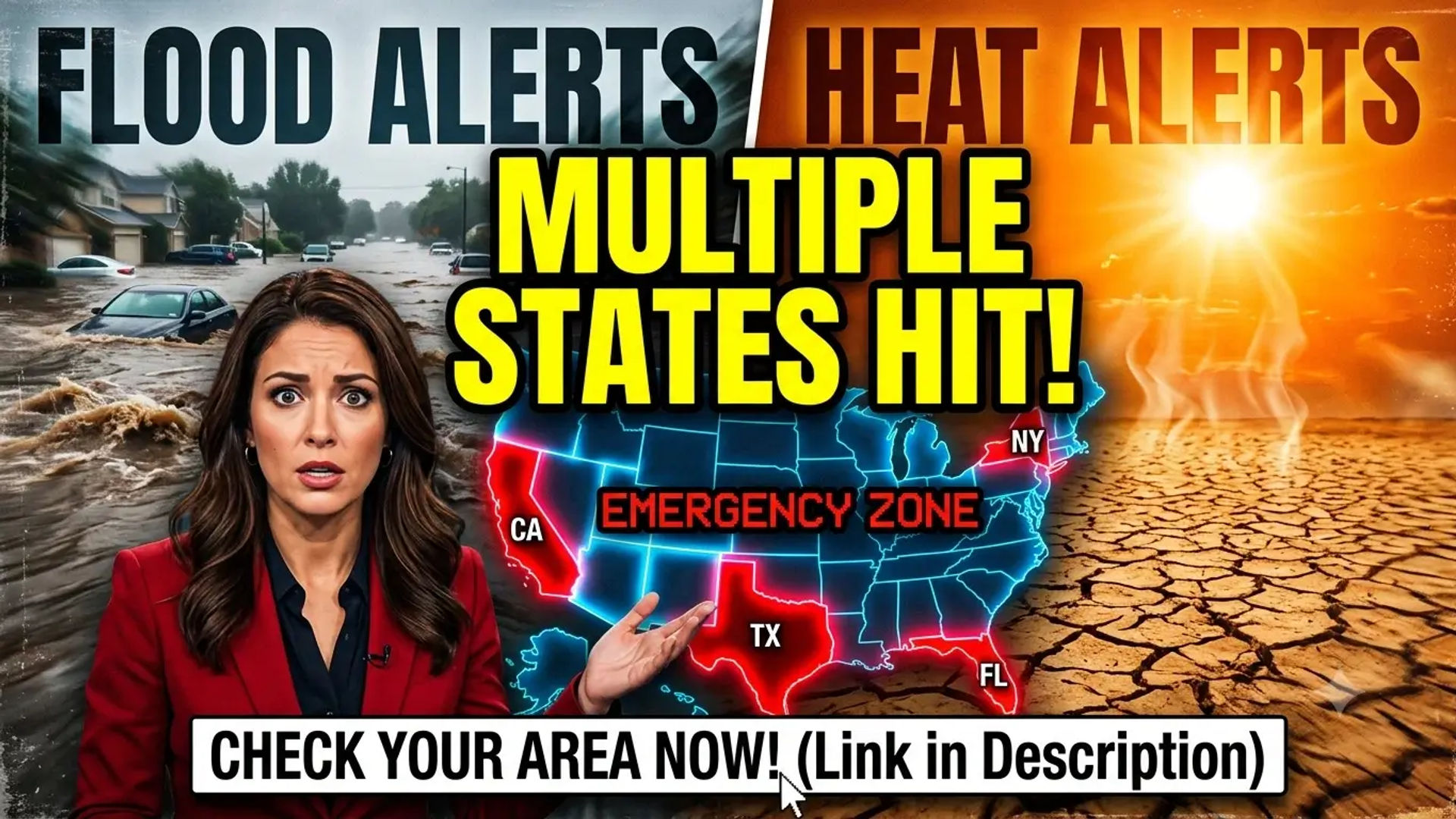
The United States is once again experiencing a period of dangerous weather as extreme heat, flash flooding, severe thunderstorms, and damaging winds affect millions of residents from coast to coast. Weather officials have issued numerous alerts across multiple states, warning that rapidly changing conditions could create life-threatening situations.
A powerful dome of hot air is driving temperatures well above seasonal averages across parts of the West, Southwest, and Central U.S., while slow-moving storm systems continue to dump heavy rainfall across the Midwest, Gulf Coast, and portions of the Northeast. The combination of intense heat and repeated storms is placing additional pressure on emergency services, transportation systems, and power infrastructure.
Authorities are encouraging everyone to stay informed, monitor local weather updates, and take precautions to protect themselves and their families.
1️⃣ Dangerous Heat Wave Continues to Expand 🌡️
A persistent high-pressure system continues to trap hot air across large portions of the country. Daytime temperatures are climbing far above average, while overnight temperatures remain unusually warm, offering little relief.
Many cities are experiencing several consecutive days of dangerous heat.
2️⃣ Triple-Digit Temperatures Affect Millions ☀️
Numerous communities are expected to see temperatures exceeding 100°F (38°C). Desert regions could experience readings above 110°F (43°C), making outdoor activities risky during the afternoon.
Experts recommend limiting time outside whenever possible.
3️⃣ High Humidity Raises the Heat Index 🥵
In many eastern and southern states, humidity is making temperatures feel significantly hotter than the actual air temperature.
A high heat index increases the risk of:
Heat exhaustion
Heat stroke
Severe dehydration
Fatigue
Muscle cramps
Children, older adults, and outdoor workers remain the most vulnerable.
4️⃣ Flash Flooding Threat Continues 🌊
Heavy downpours are producing dangerous flash flooding in several regions. Even neighborhoods that rarely flood could experience water-covered roads after repeated rainfall.
Residents living near rivers, streams, and low-lying areas should stay alert for rapidly rising water.
5️⃣ Strong Thunderstorms Bring Multiple Hazards ⛈️
Severe thunderstorms are expected to produce:
⚡ Frequent lightning
💨 Damaging wind gusts
🌧️ Torrential rainfall
🌪️ Isolated tornadoes
🌳 Falling trees
🚗 Reduced visibility
Storms may develop quickly during the afternoon and evening hours.
6️⃣ Roads Become Dangerous During Heavy Rain 🚗
Transportation officials warn drivers to avoid flooded roads.
Just a few inches of moving water can:
Stall vehicles
Wash cars off roadways
Hide damaged pavement
Create dangerous driving conditions
The safest choice is always to turn around and find another route.
7️⃣ Increased Pressure on Power Grids ⚡
Extreme temperatures are increasing electricity demand as millions rely on air conditioning.
Meanwhile, strong storms may damage power lines and utility equipment, resulting in temporary power outages in some communities.
Residents are encouraged to charge electronic devices before storms arrive.
8️⃣ Agriculture Faces Weather Challenges 🌾
Farmers in several states are dealing with:
Heat stress on crops
Dry soil conditions
Livestock heat exposure
Localized flooding after heavy rain
Rapid weather changes may affect harvesting schedules and crop quality.
9️⃣ Air Travel May Experience Delays ✈️
Weather-related disruptions may impact:
Commercial flights
Highway traffic
Rail transportation
Ferry operations
Passengers should check schedules before traveling.
🔟 Health Officials Recommend Heat Safety ❤️
Doctors advise everyone to:
💧 Drink plenty of water
🧢 Wear lightweight clothing
🏠 Stay indoors during peak afternoon heat
🧴 Apply sunscreen when outdoors
😴 Get enough rest
👵 Check on elderly family members and neighbors
Pets should also have constant access to shade and fresh water.
1️⃣1️⃣ Emergency Services Remain on Alert 🚑
Fire departments, rescue teams, and emergency management agencies continue monitoring weather conditions across affected states.
Communities are encouraged to prepare emergency kits containing:
Drinking water
Flashlights
Batteries
First-aid supplies
Mobile phone chargers
Important medications
Preparedness can make a significant difference during rapidly changing weather.
1️⃣2️⃣ Stay Informed as Conditions Change 📱
Weather forecasts can change within hours.
Residents should:
✅ Monitor local forecasts
✅ Enable emergency alerts
✅ Follow official weather agencies
✅ Avoid spreading unverified social media rumors
Timely information helps families make safer decisions.
📊 Main Weather Hazards
📊 Heat Safety Checklist
📊 Flood Safety Guide
🌍 Why These Weather Events Matter
Extreme heat and heavy rainfall can occur at the same time in different parts of the country because weather systems vary by region. While one area experiences prolonged sunshine and intense heat, another may face repeated storm development fueled by warm, moisture-rich air.
These events can impact public health, transportation, agriculture, energy demand, and local economies. Communities that prepare early are generally better equipped to reduce risks during severe weather.
🚨 Important Safety Tips
✔️ Stay hydrated throughout the day.
✔️ Avoid outdoor activities during peak afternoon heat.
✔️ Never leave children or pets inside parked vehicles.
✔️ Keep emergency supplies available.
✔️ Follow official weather alerts for your area.
✔️ If flooding occurs, move to higher ground immediately.
❓ Frequently Asked Questions (FAQ)
1. What causes an extreme heat wave?
Heat waves usually develop when a strong high-pressure system traps hot air over a region for several days.
2. Why is flash flooding so dangerous?
Flash flooding can develop quickly with little warning, making roads and low-lying areas extremely hazardous.
3. Who is most at risk during extreme heat?
Older adults, young children, outdoor workers, pregnant women, and people with chronic medical conditions face the highest risk.
4. Should I travel during severe weather alerts?
If possible, delay non-essential travel until weather conditions improve.
5. How often should I check weather updates?
During active weather alerts, check forecasts several times a day and enable emergency notifications on your smartphone.
6. What items should every emergency kit include?
Water, non-perishable food, flashlight, batteries, medications, first-aid supplies, phone charger, and important documents.
📝 Final Thoughts
Extreme heat and flooding remain among the most dangerous weather hazards in the United States. While forecasts may change from day to day, staying informed, preparing in advance, and following official safety guidance can greatly reduce the risk to you and your family.
Whether you're dealing with scorching temperatures, heavy rainfall, or severe thunderstorms, taking simple precautions today can help keep everyone safer tomorrow.