
Gas Prices Surge Across America in 2026: 12 Reasons You're Paying More at the Pump Today
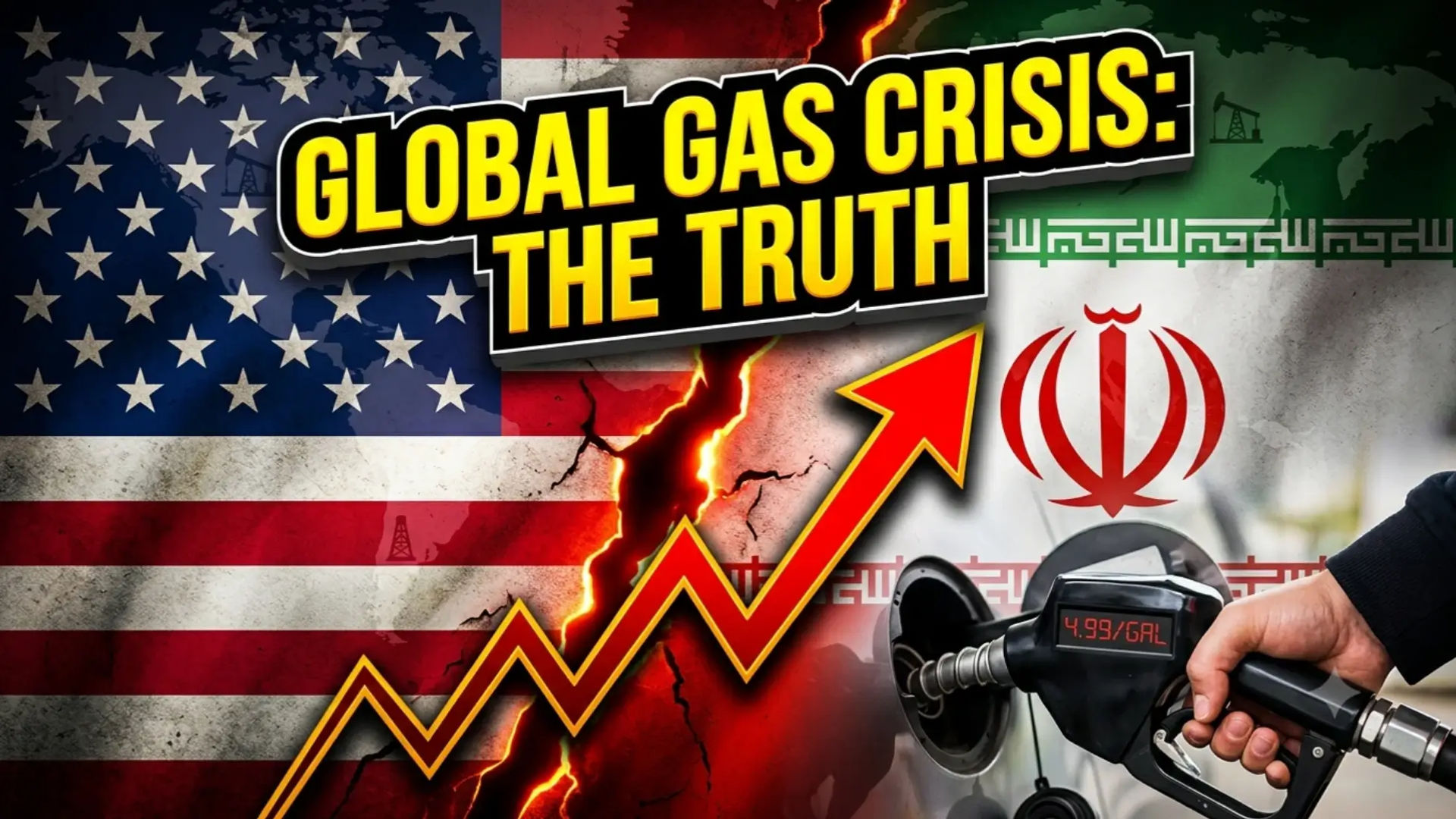
American drivers are once again facing an unwelcome surprise every time they pull into a gas station. Across much of the country, gasoline prices have climbed steadily over the past several weeks, leaving millions of families wondering why filling up their vehicles suddenly costs more.
Whether commuting to work, taking summer road trips, or running everyday errands, higher fuel prices affect nearly every household budget. Even a modest increase of 20 to 40 cents per gallon can add hundreds of dollars in annual expenses for the average driver.
Experts say the latest increase isn't caused by a single issue. Instead, several economic and geopolitical factors are pushing prices upward at the same time. Rising crude oil prices, refinery maintenance, seasonal travel demand, supply disruptions, and international conflicts have combined to tighten fuel markets across the United States.
For consumers, higher gas prices don't just mean paying more at the pump—they also contribute to rising prices for groceries, shipping, airline tickets, and many everyday goods.
This report explains what's driving the latest surge in fuel costs, which states are paying the highest prices, what experts expect in the coming months, and practical ways Americans can save money despite the increase.
1️⃣ Why Gas Prices Are Rising Again 🚗
Unlike many consumer products, gasoline prices can change almost every day.
Several key factors determine what Americans pay:
- 📈 Crude oil prices
- 🛢️ Refinery production
- 🚚 Transportation costs
- 💵 Federal and state fuel taxes
- 🌍 Global supply disruptions
- 🚗 Seasonal driving demand
When several of these factors move in the same direction, prices can rise quickly.
This summer, nearly every major factor has contributed to higher fuel costs.
📊 Main Reasons Behind Higher Gas Prices
| 📌 Factor | 📈 Impact | 🚗 Effect on Drivers |
|---|---|---|
| 🛢️ Higher Crude Oil Prices | Very High | Gas becomes more expensive |
| 🌞 Summer Travel | High | Increased fuel demand |
| 🏭 Refinery Maintenance | High | Less fuel available |
| 🌍 Global Conflicts | Medium | Supply uncertainty |
| 🛢️ OPEC+ Production Cuts | High | Lower global oil supply |
| 🚚 Transportation Costs | Medium | Higher distribution costs |
2️⃣ Crude Oil Prices Continue Rising 🛢️
Crude oil is the largest component of gasoline prices.
Nearly half of every gallon Americans purchase comes from crude oil costs.
When global oil prices increase:
✅ Refineries pay more
✅ Wholesale fuel prices increase
✅ Gas stations raise retail prices
Oil markets respond instantly to:
- Political tensions
- War
- Hurricanes
- Production cuts
- Economic growth
- Investor expectations
Even rumors of supply shortages can push prices higher.
3️⃣ Summer Travel Is Fueling Demand 🌞🚗
Summer is traditionally America's busiest driving season.
Millions of families hit the road for:
🏖️ Vacations
🏕️ Camping trips
🎡 Theme parks
🏞️ National parks
🏖️ Beach destinations
Holiday weekends like:
🇺🇸 Memorial Day
🇺🇸 Independence Day
🇺🇸 Labor Day
typically create some of the year's highest gasoline demand.
Higher demand combined with limited supply naturally increases prices.
4️⃣ Refinery Maintenance Is Reducing Supply 🏭
Gasoline isn't produced directly from crude oil.
Instead, refineries convert crude into:
- Gasoline
- Diesel
- Jet fuel
- Heating oil
Many refineries schedule maintenance during spring and early summer.
While maintenance improves long-term reliability, it temporarily reduces production.
Lower production means:
⬇️ Less gasoline available
⬆️ Higher wholesale prices
⬆️ Higher retail prices
Unexpected refinery outages caused by storms or equipment failures can push prices even higher.
📊 What Makes Up the Price of Gasoline?
| ⛽ Component | 📊 Approximate Share |
|---|---|
| 🛢️ Crude Oil | 50–60% |
| 🏭 Refining | 15–20% |
| 🚚 Distribution & Marketing | 15% |
| 🏛️ Federal & State Taxes | 15–20% |
Extreme weather events are also affecting energy markets and fuel demand. Learn more in our latest report:
👉 USA Heatwave 2026: Record-Breaking March Temperatures Shock America | Climate Change Warning 🌡️🔥
5️⃣ Global Events Continue to Shake Energy Markets 🌍
Energy markets react quickly to international events.
Major concerns include:
⚠️ Conflicts in oil-producing regions
⚠️ Shipping disruptions
⚠️ Sanctions
⚠️ Pipeline interruptions
⚠️ Export restrictions
Even if the United States produces significant amounts of oil domestically, it remains connected to global energy markets.
When international supplies tighten, American consumers often feel the effects.
6️⃣ OPEC+ Decisions Matter More Than Many Realize 🛢️
OPEC+ controls a significant portion of global oil production.
When member countries reduce production:
📉 Global supply falls.
📈 Oil prices usually rise.
Since gasoline depends heavily on crude oil, American drivers often pay more after sustained production cuts.
Energy traders closely monitor every OPEC+ meeting because even small policy changes can influence fuel prices worldwide.
📊 States Often Paying the Highest Gas Prices
| 🇺🇸 State | ⛽ Why Prices Are Higher |
|---|---|
| 🌴 California | 💰 Higher fuel taxes & strict environmental regulations |
| 🏝️ Hawaii | 🚢 High shipping and transportation costs |
| 🌲 Washington | 🏛️ Higher state fuel taxes |
| 🌄 Oregon | 🌿 Strict environmental fuel standards |
| 🏜️ Nevada | 🚚 Higher transportation and fuel distribution costs |
7️⃣ Why Some States Pay Much Less 💲
Not every American experiences the same gasoline prices.
Several states consistently enjoy lower fuel costs because they have:
✅ Lower taxes
✅ Nearby refineries
✅ Lower transportation expenses
✅ Less stringent fuel requirements
Examples
- Texas
- Mississippi
- Louisiana
- Oklahoma
- Arkansas
Lower operating costs often translate into lower pump prices.
8️⃣ Rising Gas Prices Hurt Family Budgets 👨👩👧👦
For many households, transportation is the second-largest monthly expense after housing.
An increase of just:
⛽ $0.30 per gallon
can add hundreds of dollars annually for commuters.
Families may respond by:
🚗 Driving less
🛒 Cutting discretionary spending
🍽️ Eating out less
🏖️ Taking shorter vacations
🚍 Using public transportation
📊 How Higher Gas Prices Affect Everyday Life
| 🏷️ Area | 📈 Impact |
|---|---|
| 🛒 Grocery Prices | 📈 Food prices increase due to higher transportation costs |
| ✈️ Air Travel | 💵 Flights become more expensive as fuel costs rise |
| 📦 Package Shipping | 🚚 Shipping and delivery costs increase |
| 🛍️ Online Shopping | 📬 Delivery fees may rise for customers |
| 🏪 Small Businesses | 💼 Operating and transportation expenses increase |
| 👨👩👧👦 Family Budgets | 💸 Less disposable income for savings and spending |
9️⃣ Inflation and the U.S. Economy 📈
Fuel prices influence nearly every part of the economy.
When trucking companies pay more for diesel:
➡️ Grocery stores pay more.
➡️ Manufacturers pay more.
➡️ Retailers pay more.
Eventually, consumers pay more.
Higher energy costs are one of the major contributors to inflation.
🔟 What Experts Expect Next
Energy analysts believe gasoline prices could remain volatile in the coming months.
Several factors will determine future prices:
📊 Oil production
🌪️ Hurricane season
🏭 Refinery output
🌍 International tensions
🚗 Consumer demand
If crude oil stabilizes and refinery production increases, prices may ease.
However, additional supply disruptions could lead to another spike.
1️⃣1️⃣ How Americans Can Save Money on Gas 💡
Even when prices rise, drivers can reduce fuel expenses.
🚗 Tips
✔️ Maintain proper tire pressure.
✔️ Avoid rapid acceleration.
✔️ Combine errands into one trip.
✔️ Remove unnecessary weight.
✔️ Compare local gas prices.
✔️ Use loyalty rewards.
✔️ Drive at steady speeds.
✔️ Keep your engine maintained.
✔️ Avoid excessive idling.
✔️ Plan efficient routes.
Small habits can save hundreds of dollars annually.
1️⃣2️⃣ Looking Ahead
Although gas prices naturally fluctuate, today's increases highlight how interconnected global energy markets have become.
Events occurring thousands of miles away—from production decisions to geopolitical tensions—can quickly affect prices at local gas stations across America.
Consumers should expect continued volatility while oil markets balance supply, demand, and international uncertainty.
❓Frequently Asked Questions (FAQs)
1. Why are gas prices increasing across the U.S.?
The main reasons include higher crude oil prices, increased summer travel demand, refinery maintenance, global supply concerns, and production decisions by major oil-exporting countries.
2. Why do gas prices change every day?
Gasoline prices respond to changes in crude oil markets, local competition, fuel demand, transportation costs, and wholesale fuel prices.
3. Which states usually have the highest gas prices?
States such as California, Hawaii, Washington, Oregon, and Nevada often experience higher fuel prices because of taxes, environmental fuel standards, and transportation costs.
4. Does crude oil affect gasoline prices?
Yes. Crude oil is the largest cost component in gasoline production, so higher oil prices generally lead to higher prices at the pump.
5. Why is summer gasoline more expensive?
Summer brings increased travel demand, and some regions require specialized fuel blends that can cost more to produce.
6. Will gas prices fall later this year?
That depends on crude oil prices, refinery operations, weather events, and global supply conditions. Prices may ease if supply improves and demand softens.
7. How do higher gas prices affect inflation?
Higher transportation and shipping costs can increase the prices of groceries, consumer goods, airline tickets, and other products, contributing to overall inflation.
8. What can drivers do to save money on fuel?
Maintaining your vehicle, driving smoothly, checking tire pressure, planning efficient routes, and using fuel rewards programs can help reduce fuel expenses.
9. Why do gas prices vary between states?
State fuel taxes, environmental regulations, transportation costs, and local market conditions all influence gasoline prices.
10. Could global events cause another price spike?
Yes. Geopolitical conflicts, natural disasters, refinery outages, or major changes in global oil production can quickly affect fuel prices.
📝 Final Thoughts
Gas prices remain one of the most closely watched indicators of the U.S. economy because they affect nearly every household and business. While the exact direction of prices will depend on global oil markets, domestic refinery output, seasonal demand, and geopolitical developments, drivers can expect continued price fluctuations in the months ahead. Staying informed and adopting fuel-efficient driving habits can help lessen the impact of higher costs at the pump.