
US Inflation Cools to 3.5% in June as Gas Prices Fall, Bringing Relief to Millions of Americans

By North Pulse News
Published: July 2026
US inflation slowed to 3.5% in June as falling gas prices eased pressure on household budgets. Learn what the latest inflation report means for consumers, the economy, interest rates, and the months ahead.
🇺🇸 Inflation Finally Shows Signs of Relief
After months of stubborn price increases, Americans are finally seeing encouraging news at the checkout counter and the gas pump.
The latest inflation report shows that consumer prices increased by 3.5% year-over-year in June, signaling that inflation continues to cool compared with previous months.
While inflation remains above the Federal Reserve's long-term 2% target, the slowdown suggests that the aggressive efforts to stabilize the economy are beginning to work.
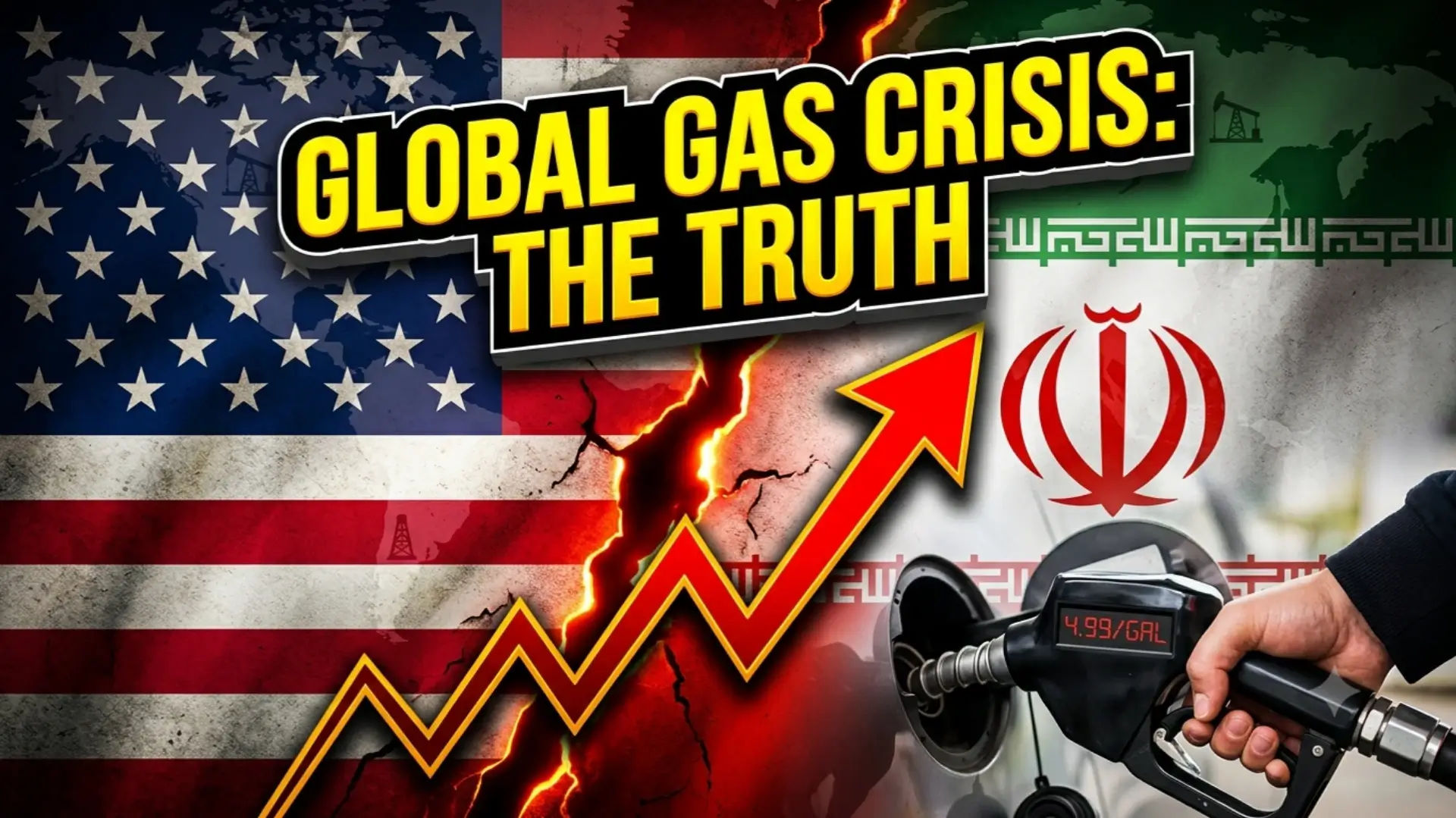
For millions of Americans, the biggest source of relief has been gasoline prices. Lower fuel costs are helping reduce transportation expenses, easing delivery costs for businesses, and putting extra money back into household budgets.
Although challenges remain—particularly in housing and some food categories—the latest report offers hope that the worst period of inflation may finally be behind the country.
📊 June Inflation Snapshot
| 📊 Economic Indicator | 🇺🇸 June 2026 |
|---|---|
| 📈 Annual Inflation Rate | 3.5% |
| 📅 Previous Month | 3.8% |
| ⛽ Gasoline Prices | ▼ Lower |
| 🛒 Food Inflation | Slight Increase |
| 🏠 Shelter Costs | Still High |
| 😊 Consumer Confidence | Improving |
📉 Inflation Slows More Than Expected
Economists had expected inflation to remain relatively stable during June, but the latest numbers surprised many analysts.
A combination of easing energy prices, improving supply chains, and slower demand helped reduce overall price growth.
Several important developments contributed to the slowdown:
✅ Lower gasoline prices
✅ Stable shipping costs
✅ Improved inventory levels
✅ Better supply chain efficiency
✅ Reduced commodity prices
Consumers across the country are beginning to notice the difference, especially during everyday spending.
For many households, even modest declines in inflation represent meaningful savings over time.
⛽ Gas Prices Deliver the Biggest Relief
Gasoline prices have become one of the biggest drivers behind June's lower inflation reading.
After months of volatility, fuel prices have declined across many states due to:
- Increased domestic oil production
- Stronger refinery output
- Improved global energy supplies
- Lower transportation bottlenecks
- Seasonal market adjustments
Drivers who commute daily are among the biggest beneficiaries.
Many families now spend significantly less each week filling their vehicles than they did earlier this year.
That extra savings often goes toward groceries, dining, entertainment, or paying off debt.
🚗 Average Weekly Fuel Savings
| 👨👩👧 Household Type | 💰 Estimated Weekly Savings |
|---|---|
| 🚗 Single Driver | 💵 $8–15 |
| 👫 Couple | 💵 $15–25 |
| 👨👩👧👦 Family with Two Vehicles | 💵 $25–40 |
| 🚚 Small Business Fleet | 💰 $100+ |
🏡 Household Budgets Finally Get Some Breathing Room
Inflation affects nearly every purchase Americans make—from food and clothing to healthcare and transportation.
As inflation cools, many families are beginning to feel less financial pressure.
Areas showing improvement include:
✔ Lower commuting costs
Cheaper gasoline reduces the cost of traveling to work.
✔ More spending flexibility
Households have slightly more disposable income after paying essential bills.
✔ Better financial planning
Lower inflation makes budgeting easier because prices become more predictable.
✔ Reduced pressure on small businesses
Businesses facing lower transportation expenses may avoid passing higher costs to customers.
Despite these improvements, many Americans continue to feel that prices remain much higher than they were before the inflation surge began.
🛒 Grocery Prices Remain a Mixed Picture
Although inflation has slowed overall, grocery prices have not fallen evenly.
Some products have become more affordable, while others remain expensive due to weather conditions, labor shortages, and transportation costs.
Consumers may notice lower prices in some packaged goods but continue paying more for fresh produce, dairy, or meat depending on regional supply conditions.
Grocery Price Trends
| 🛒 Grocery Category | 📈 Price Trend |
|---|---|
| 🥚 Eggs | ✅ Stable |
| 🥛 Milk | 📈 Slight Increase |
| 🍞 Bread | ✔ Mostly Stable |
| 🥦 Fresh Vegetables | 🔄 Mixed |
| 🍎 Fruits | 🍂 Seasonal Changes |
| 🥩 Beef | ⬆ Higher |
| 🍗 Chicken | ✅ Stable |
| 📦 Packaged Foods | 📉 Improving |
Food inflation typically takes longer to slow than energy prices because production, transportation, labor, and retail costs adjust gradually.
As supply chains continue improving, economists expect additional relief later in the year.
🏠 Housing Costs Continue to Challenge American Families
Although June's inflation report brought encouraging news, housing remains one of the biggest financial burdens for millions of Americans.
Rent prices in many major cities remain significantly higher than they were just a few years ago. Mortgage payments have also increased because interest rates remain elevated after multiple Federal Reserve rate hikes.
For first-time homebuyers, affordability continues to be a major concern.
Housing Challenges Include:
🏡 High mortgage rates
📈 Limited housing inventory
💰 Expensive home prices
🏢 Rising apartment rents
🔧 Higher maintenance and insurance costs
Even though inflation is cooling, economists believe housing inflation may take longer to return to normal because the real estate market adjusts slowly.
📊 Housing Cost Overview
| 🏠 Housing Category | 📈 Current Trend | 💰 Consumer Impact |
|---|---|---|
| 🏡 Home Prices | Moderately High | 🏠 Buying remains difficult |
| 🏦 Mortgage Rates | Elevated | 💳 Higher monthly payments |
| 🏢 Apartment Rent | Rising Slowly | 💵 Budget pressure continues |
| 🛡️ Home Insurance | Increasing | 💰 Higher ownership costs |
| 🏛️ Property Taxes | Stable to Higher | 📍 Varies by state |
💼 Businesses Are Feeling the Difference
Lower inflation is not only helping consumers—it is also providing relief for businesses across the United States.
Transportation companies, retailers, manufacturers, restaurants, and delivery services all benefit when fuel prices decline.
Businesses that spent heavily on shipping and logistics during the inflation surge are now seeing operating costs stabilize.
Many companies are beginning to:
- Increase hiring
- Expand investments
- Improve profit margins
- Reduce transportation expenses
- Offer competitive pricing
Small businesses, in particular, may gain the most because fuel and shipping costs represent a large share of their operating expenses.
🚚 Industries Benefiting the Most
Retail Stores 🛍️
Lower freight costs help retailers keep prices more competitive.
Airlines ✈️
Reduced jet fuel expenses improve profitability.
Trucking Companies 🚛
Diesel price declines lower operating costs.
Food Delivery Services 🍕
Lower transportation costs improve delivery efficiency.
Manufacturing 🏭
Reduced shipping expenses help stabilize production costs.
🏦 What Could the Federal Reserve Do Next?
The Federal Reserve closely monitors inflation before making decisions about interest rates.
Since inflation has slowed to 3.5%, financial markets are increasingly hopeful that policymakers may eventually begin lowering interest rates if inflation continues moving toward the 2% target.
However, economists caution that one month of encouraging data is not enough.
The Federal Reserve is expected to continue evaluating:
- Inflation trends
- Employment growth
- Consumer spending
- Wage increases
- Economic growth
- Global market conditions
If inflation unexpectedly rises again, rate cuts could be delayed.
📈 Possible Federal Reserve Scenarios
| 📉 Inflation Trend | 🏦 Possible Fed Action |
|---|---|
| 📉 Continues Falling | ✅ Potential Rate Cuts |
| ➖ Remains Stable | ⏸ Hold Current Rates |
| 📈 Begins Rising Again | ⬆ Keep Rates Higher |
| ⚠ Rapid Economic Slowdown | 📉 Faster Rate Reductions |
📰 Related News You Should Read



💳 What Lower Inflation Means for Consumers
Inflation affects nearly every financial decision households make.
If inflation continues slowing, Americans may experience several benefits over the coming months.
Potential Consumer Benefits
💵 Increased purchasing power
🛒 More affordable everyday spending
🚗 Lower transportation expenses
💳 Easier debt management
🏦 Better savings opportunities
📉 Lower borrowing costs in the future
Although prices remain higher than they were before the inflation surge, slower inflation means prices are increasing at a slower pace—not necessarily falling.
That distinction is important for consumers planning their budgets.
📈 Stock Market Responds Positively
Investors generally welcome lower inflation because it reduces uncertainty and increases the possibility of lower interest rates in the future.
Following encouraging inflation reports, financial markets often react positively.
Industries that may benefit include:
📱 Technology
🏦 Banking
🏠 Real Estate
🚗 Consumer Goods
🏭 Manufacturing
💼 Financial Services
Lower inflation also improves business confidence, encouraging companies to expand hiring and investment.
🌎 Global Impact of Lower U.S. Inflation
Because the United States has the world's largest economy, changes in American inflation often influence global financial markets.
Lower U.S. inflation can affect:
- International trade
- Currency markets
- Oil prices
- Global investment flows
- Emerging market economies
Countries that export goods to the United States may benefit if American consumers continue spending.
Likewise, lower inflation may reduce pressure on central banks around the world.
📊 Key Economic Winners
| 🏢 Economic Sector | 📊 Impact |
|---|---|
| 👨👩👧 Consumers | ✅ Positive |
| 🛍️ Retailers | ✅ Positive |
| ✈️ Airlines | ✅ Positive |
| 🚚 Trucking | ✅ Positive |
| 🏭 Manufacturers | ✅ Positive |
| 🏠 Homebuyers | ⚠ Mixed |
| 🏢 Renters | ⚠ Still Challenging |
🔍 Expert Perspective
Economic analysts describe June's inflation report as an encouraging step in the right direction, but they caution against declaring victory too soon.
Several risks remain, including:
- Energy market volatility
- Global geopolitical tensions
- Supply chain disruptions
- Weather-related food price increases
- Housing affordability challenges
Most economists agree that sustained progress over several more months would provide stronger evidence that inflation is returning to healthier levels.
🔮 What Could Happen in the Second Half of 2026?
The June inflation report has increased optimism that the U.S. economy may be moving toward a period of greater stability. While inflation remains above the Federal Reserve’s long-term target of 2%, the recent slowdown suggests that the worst of the price surge could be behind consumers.
Economists believe several factors will shape inflation during the remainder of 2026:
- ⛽ Energy prices and global oil production
- 🏠 Housing supply and rental costs
- 🛒 Consumer spending patterns
- 💼 Labor market strength
- 🌍 International trade and geopolitical events
- 📦 Supply chain stability
If gasoline prices remain relatively low and supply chains continue improving, inflation could gradually move closer to the Federal Reserve's target.
However, unexpected global events—such as geopolitical conflicts, natural disasters, or sudden increases in energy prices—could reverse some of the recent progress.
📈 What Americans Should Watch Next
Although inflation is slowing, consumers should continue monitoring several important economic indicators.
📅 Monthly Inflation Reports
Monthly CPI reports will provide the clearest picture of whether inflation continues cooling.
🏦 Federal Reserve Meetings
Interest-rate decisions directly affect mortgages, auto loans, credit cards, and business borrowing.
💵 Gasoline Prices
Fuel prices remain one of the fastest-changing components of household budgets.
🛒 Grocery Costs
Food prices continue to affect family spending more than almost any other category.
💼 Employment Reports
A strong labor market generally supports consumer spending but can also influence inflation.
📋 Economic Outlook Summary
| 📊 Economic Indicator | 📈 Current Direction | 🔮 Outlook |
|---|---|---|
| 📉 Inflation | 📉 Cooling | ✅ Positive |
| ⛽ Gas Prices | 📉 Lower | ✅ Positive |
| 🛒 Consumer Spending | 📈 Stable | 📈 Moderate Growth |
| 🏠 Housing Costs | ⚠ Elevated | 🔄 Slow Improvement |
| 💼 Employment | ✅ Strong | ✔ Stable |
| 🏦 Interest Rates | ⏸ High | 📉 Possible Cuts Later |
💡 Key Takeaways
The June inflation report marks one of the most encouraging economic updates Americans have received in recent months.
Major highlights include:
✅ Inflation slowed to 3.5%
✅ Lower gasoline prices reduced financial pressure.
✅ Household budgets are beginning to recover.
✅ Business transportation costs are easing.
✅ Consumer confidence is gradually improving.
✅ Investors are increasingly optimistic about future interest-rate cuts.
Despite these positive developments, Americans are still facing higher costs for housing, insurance, healthcare, and some grocery items.
The road back to the Federal Reserve's 2% inflation goal is likely to take time, but the latest data suggests meaningful progress is being made.
🇺🇸 Final Analysis
For millions of Americans, inflation isn't just an economic statistic—it affects everyday life, from filling up the gas tank to paying monthly rent and buying groceries.
June's decline to a 3.5% annual inflation rate offers hope that the economy is moving in a healthier direction. Falling gas prices have already provided noticeable relief for many households, while businesses are beginning to benefit from lower transportation and logistics costs.
Still, the fight against inflation is not over. Housing affordability, food prices, and interest rates remain significant challenges. Policymakers, businesses, and consumers will all be watching future economic data closely to see whether this positive trend continues.
If inflation keeps easing over the coming months, Americans could see improved purchasing power, lower borrowing costs, stronger business investment, and a more stable economic environment heading into 2027.
❓Frequently Asked Questions (FAQs)
1. What was the U.S. inflation rate in June?
The annual inflation rate slowed to 3.5%, indicating continued progress in reducing price growth.
2. Why did inflation fall?
Lower gasoline prices, improved supply chains, and moderating consumer demand helped reduce inflation.
3. Are gas prices expected to remain low?
Gas prices depend on global oil markets and seasonal demand, so they may continue to fluctuate.
4. Does lower inflation mean prices are falling?
Not necessarily. It means prices are still rising but at a slower pace than before.
5. Will interest rates be cut soon?
Future rate decisions will depend on inflation, employment, and overall economic conditions.
6. Which sectors benefit most from lower inflation?
Retail, transportation, airlines, manufacturing, logistics, and consumer-focused businesses often benefit.
7. Why are housing costs still high?
Limited housing supply, elevated mortgage rates, and strong demand continue to keep housing costs elevated.
8. How does inflation affect everyday Americans?
Inflation influences the cost of groceries, fuel, housing, healthcare, transportation, and other daily expenses.
9. What should consumers watch next?
Upcoming inflation reports, Federal Reserve meetings, fuel prices, grocery costs, and employment data.
10. Is the U.S. economy improving?
Recent inflation data points to improving conditions, but economic challenges remain and future trends will depend on multiple factors.
📝 Conclusion
June's inflation report is a positive sign for the U.S. economy. While Americans continue to face financial pressures in areas such as housing and food, lower fuel costs and slowing overall inflation are helping restore confidence.
The coming months will be critical in determining whether this trend continues. If inflation keeps moving lower without significantly weakening the job market, the United States could enter a more stable period of economic growth.
For consumers, businesses, and investors alike, the latest figures offer cautious optimism that the economy is gradually returning to a more balanced path.